Essential Tips for Effective Pet Microchipping

Microchipping is one of the most reliable ways to ensure your pet can be identified and returned to you if they ever go missing. Unlike collars and tags, which can fall off or be removed, a microchip provides a permanent form of identification that lasts for your pet’s entire life. While the procedure is quick and simple, responsible pet owners should follow certain guidelines to ensure the microchip works effectively. Below are the most important microchipping tips to help you keep your pet safe.

1. Choose a Reputable Veterinarian or Clinic
The first step is to have your pet microchipped by a licensed veterinarian or a trusted animal clinic. Proper placement is essential, and trained professionals ensure the process is both safe and sterile. Avoid low-quality or unofficial services, as incorrect implantation may cause the microchip to migrate or malfunction.

2. Register the Microchip Immediately
A microchip is only useful if your contact information is correctly registered in a national pet recovery database. Many pet owners forget this step, leaving the chip essentially useless. After the procedure, make sure to fill out the registration form online or through your vet. Provide accurate contact details, including phone number, email, and a backup contact.

3. Keep Your Information Updated
If you move, change phone numbers, or update your email, remember to update the microchip registry. Many lost pets are not reunited with their families simply because the owner’s information is outdated. Most databases allow free or low-cost updates, so take a few minutes to ensure your details are always current.

4. Ask for a Microchip Scan During Annual Vet Visits
Although microchips are designed to last for life, it’s a good idea to ask your vet to scan it during routine checkups. This ensures that the microchip is functioning properly and still located where it should be. If the chip has migrated, your vet can note its new position in your pet’s medical file.

5. Use a Collar Tag as Backup
Even though a microchip is permanent, it’s still smart to use a collar tag with the chip number and registry information. In many cases, a good Samaritan who finds your pet may not have immediate access to a microchip scanner, but they can quickly call the number on the tag.

6. Don’t Delay Microchipping Puppies and Kittens
Young pets can easily wander off or get lost because they are curious and less aware of danger. Microchipping them early—once they are old enough according to your vet’s recommendation—gives them lifelong protection. The procedure is safe even for small animals.

7. Know That a Microchip Is Not a GPS Tracker
Many owners mistakenly believe microchips work like GPS devices. Microchips do not track your pet’s location—they only store identification data. For active or adventurous pets, consider using a GPS collar in addition to a microchip.

8. Keep Records of Your Pet’s Microchip Number
Store the microchip number in your phone, email, and pet documents. Having it readily available can help speed up recovery if your pet goes missing.

Microchipping is a simple but powerful step in responsible pet ownership. By registering the chip, keeping your information updated, and ensuring regular scans, you give your pet the best chance of making it home safely.

The Ultimate Guide to Animal Microchipping: Tips for Pet Owners
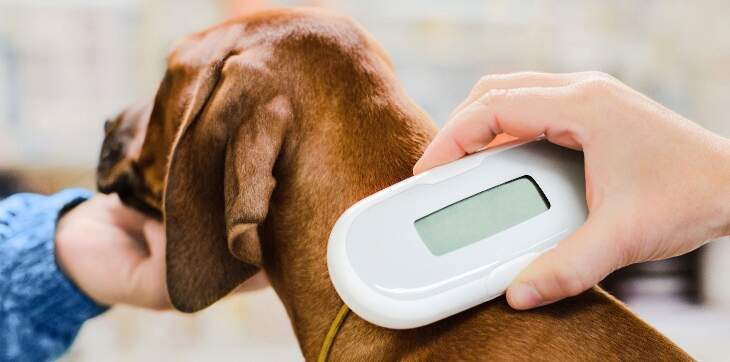
Maximizing Microchipping: Essential Tips for Pet Owners

Microchipping your pet is a small investment that can yield enormous benefits, offering peace of mind and security. A microchip, about the size of a grain of rice, is implanted under the pet’s skin and contains a unique identification number. This number links to your contact information in a secure database, significantly improving the chances of reuniting with your pet if they go missing. To make the most of microchipping, here are some essential tips for pet owners.

1. Choose a Reputable Provider

Not all microchips and databases are created equal. Ensure your veterinarian or microchip provider uses a universally readable chip compliant with international standards. This guarantees that shelters and vets equipped with different scanners can read your pet’s chip.

2. Keep Your Information Updated

The microchip itself is only as effective as the information it links to. Whenever you move, change phone numbers, or update your email, ensure you update your details with the microchip registry. Many pet owners overlook this step, rendering the chip useless in an emergency.

3. Register the Microchip Immediately

Some veterinarians implant the chip but leave the registration process to the owner. After microchipping, register your pet’s unique ID with a reliable database. Without this registration, the chip cannot fulfill its purpose.

4. Pair with an External Tag

While a microchip is invaluable, it’s not visible. Pair it with a collar and an external ID tag displaying your contact details. This dual approach allows anyone finding your pet to reach you immediately without needing a scanner.

5. Understand the Limitations

A microchip is not a GPS tracker. It does not allow real-time tracking of your pet’s location. Instead, it serves as a permanent form of identification. Combine microchipping with other tools, such as GPS collars, for added security if your pet has a tendency to wander.

6. Ensure Proper Implantation

Microchipping is a quick, minimally invasive procedure. However, it’s important that it is done correctly. Have your pet microchipped by a licensed veterinarian to ensure proper placement and reduce the risk of complications.

7. Periodically Check the Chip

Ask your vet to scan the chip during routine visits to ensure it is functioning correctly and hasn’t migrated from its original location. While rare, chips can occasionally shift under the skin. Regular checks help avoid surprises in case your pet goes missing.

8. Be Prepared for Costs

The initial cost of microchipping ranges between $25 and $50, depending on your location. Some registries may also charge an annual fee for maintaining your information in their database. Factor these costs into your decision-making process.

9. Educate Yourself and Others

Microchipping is most effective when widely adopted. Spread the word among fellow pet owners about its benefits and the importance of keeping information updated. A well-informed community increases the likelihood of all pets finding their way home.

Microchipping is a simple yet powerful way to protect your pet. By following these tips, you can maximize the effectiveness of this technology, ensuring your beloved companion has the best chance of being reunited with you in the event of separation. Take action today to secure your pet’s future!

The Ultimate Guide to Animal Microchipping: Tips for Pet Owners